
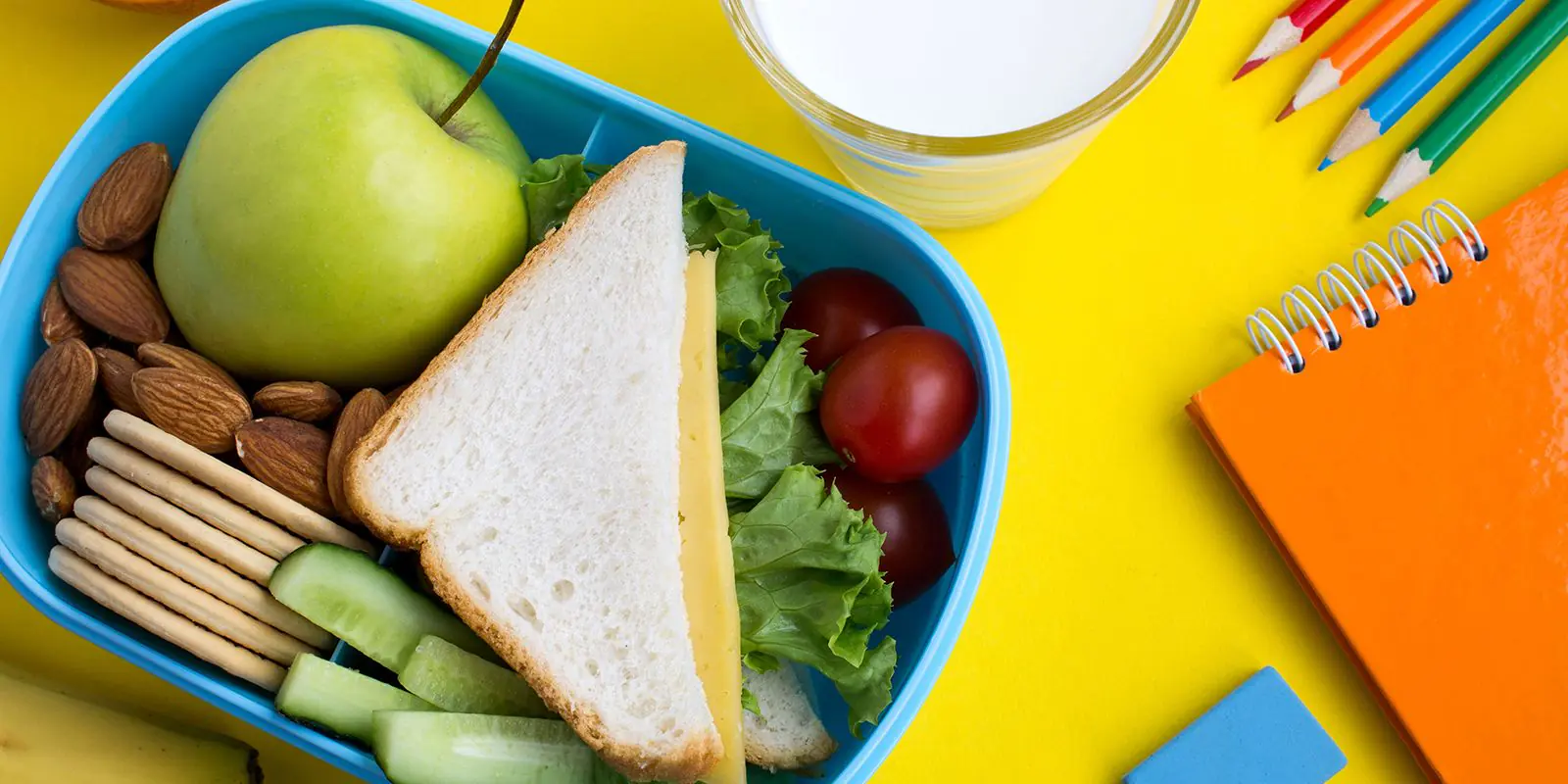
Snack time can be one of the more challenging parts of a parent's day. Between school pickup, activities, and homework, it is easy to reach for whatever is fastest, even when it is not the most nutritious option. As the back-to-school season brings busier schedules and earlier mornings, having a stock of easy, nutrient-dense snacks on hand can make a real difference in keeping kids energized, focused, and ready to learn.
Snacks play a bigger role in a child's diet than many parents realize. For younger children especially, snacks help bridge the gap between meals and provide a steady source of energy for growing bodies and developing minds. The goal is not to eliminate snacking, but to make the snacks that are readily available the ones that offer real nutritional value.
Nutritional Needs by Age

Children's nutritional needs shift as they grow, and understanding these general patterns can help parents choose snacks that support each stage of development.
Ages 4 to 8
- Calorie needs: approximately 1,200 to 1,600 calories per day, depending on activity level
- Calcium: around 1,000 milligrams per day to support bone development
- Protein: roughly 19 grams per day
- Fiber: around 25 grams per day to support digestion
Ages 9 to 13
- Calorie needs: approximately 1,400 to 2,200 calories per day, depending on activity level
- Calcium: increases to around 1,300 milligrams per day as bone growth accelerates
- Protein: roughly 34 grams per day
- Fiber: around 26 to 31 grams per day
Ages 14 to 18
- Calorie needs: approximately 1,800 to 3,200 calories per day, depending on activity level and sex
- Calcium: remains around 1,300 milligrams per day through the growth spurts of adolescence
- Protein: 46 grams per day for teen girls and 52 grams per day for teen boys
- Fiber: around 25 to 38 grams per day
These figures are general guidelines rather than fixed targets, since individual needs vary based on activity level, growth patterns, and overall health. Snacks that combine protein, fiber, and calcium, like the options below, can help fill nutritional gaps between meals across all of these age ranges.
Veggies With Peanut Butter for Dipping

Vegetables can be a tough sell for many kids, but pairing them with something enjoyable often helps. Serving carrots, celery, or bell pepper strips alongside a side of peanut butter (or other nut butter) is an easy way to encourage children to eat nutrient-rich vegetables without much resistance.
- Carrots: fiber, vitamin A, and potassium
- Peanut butter (2 tablespoons): about 7 grams of protein and heart-healthy fats
- Together: a filling snack combining fiber, protein, and healthy fats
Choosing a natural peanut butter (or other nut butter) with minimal added sugar makes this an even better option.
Nuts
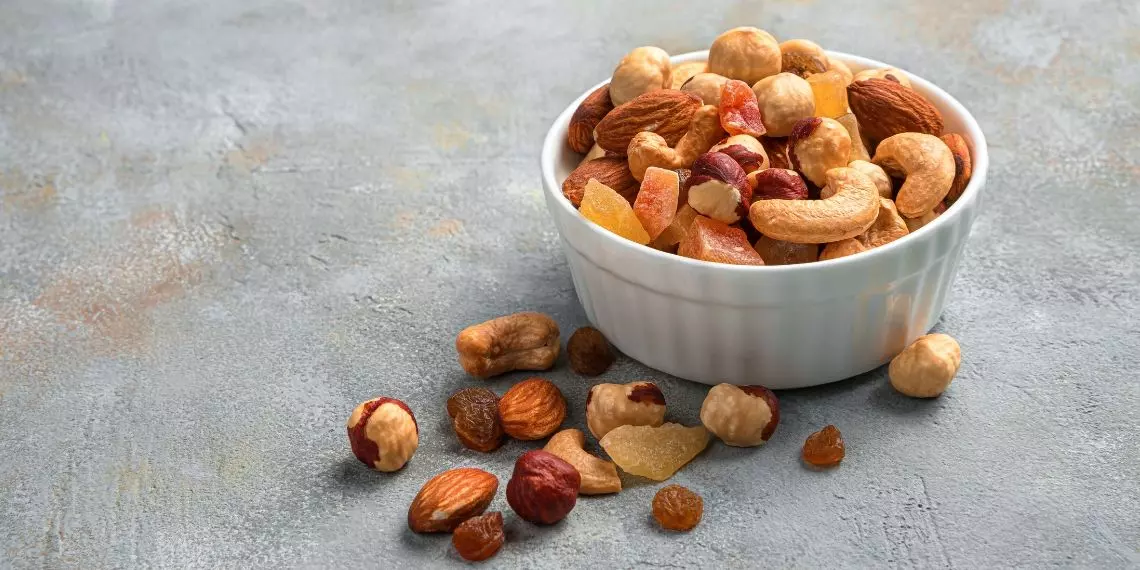
Unsalted to lightly salted nuts make a smart alternative to chips or other processed snacks.
- One ounce (small handful): about 6 grams of protein, healthy unsaturated fats, and fiber
- Almonds: particularly high in vitamin E and calcium
- Walnuts: stand out for omega-3 fatty acid content
Nuts are also fairly filling in small amounts, which can be especially helpful for teenagers who tend to need frequent refueling throughout the day. For younger children, nut butters or finely chopped nuts are a safer alternative to whole nuts, which can pose a choking risk.
Fresh Fruit
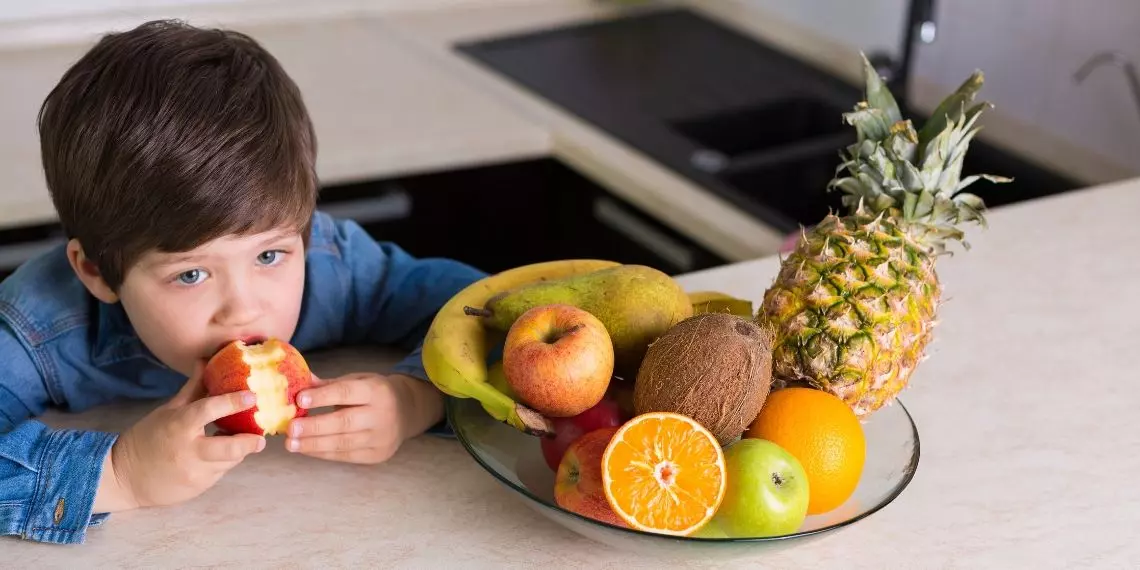
Fresh fruit is one of the simplest ways to add vitamins, fiber, and natural sweetness to a child's diet.
- Apple: about 4 grams of fiber plus vitamin C
- Berries (1 cup): a similar amount of fiber along with antioxidants
- Oranges: especially rich in vitamin C
- Bananas: provide potassium along with quick, natural energy
Keeping a variety of fruit on hand allows children to discover which options they enjoy most, and pairing fruit with a small amount of protein, such as cheese or a nut butter, can help keep kids fuller for longer.
Yogurt
Yogurt is a strong source of calcium and protein, both of which are important for growing bones and muscles.
- Typical serving: 8 to 12 grams of protein
- Calcium: a significant portion of a child's daily needs in one serving
- Probiotics that support digestive health
Ingredient labels are worth checking carefully, since many flavored yogurts contain fifteen grams or more of added sugar per serving. Plain or lightly sweetened yogurt topped with fresh fruit is often a better choice than pre-flavored varieties.
String Cheese
String cheese is another snack high in protein and calcium.
- Typical piece: about 7 grams of protein
- Calcium: roughly 20 percent of a child's daily needs
Its individually portioned, portable format makes it especially convenient for busy after-school routines, requiring no preparation while still delivering meaningful nutritional value.
Pretzels
Pretzels offer a more filling alternative to airy potato chips, since they tend to be denser and lower in fat per serving, though they are also lower in overall nutrients on their own.
-
Pretzels (1 ounce) with hummus or peanut butter (2 tablespoons): adds several grams of protein and fiber
Pairing pretzels with a protein-rich dip helps round out the snack and keeps kids satisfied between meals rather than snacking again shortly after.
Hard-Boiled Eggs
Hard-boiled eggs are an often-overlooked snack option that packs a significant amount of nutrition into a small package.
- One egg: about 6 grams of high-quality protein
- Choline, which supports brain development
- A range of vitamins, including B12 and D
Eggs can be boiled in bulk at the start of the week and kept in the refrigerator for a quick, no-prep snack whenever hunger strikes.
Whole Grain Crackers With Cheese
Whole grain crackers paired with a slice of cheese provide a balanced combination of fiber, protein, and calcium.
- Whole grain crackers: 2 to 3 grams of fiber per serving
- Cheese (1 ounce): about 7 grams of protein and a meaningful amount of calcium
Choosing whole grain varieties over refined options adds extra fiber, which helps support steady energy levels rather than the quick spike and crash that can come from more processed snacks.
Plan Ahead for Snacking Success
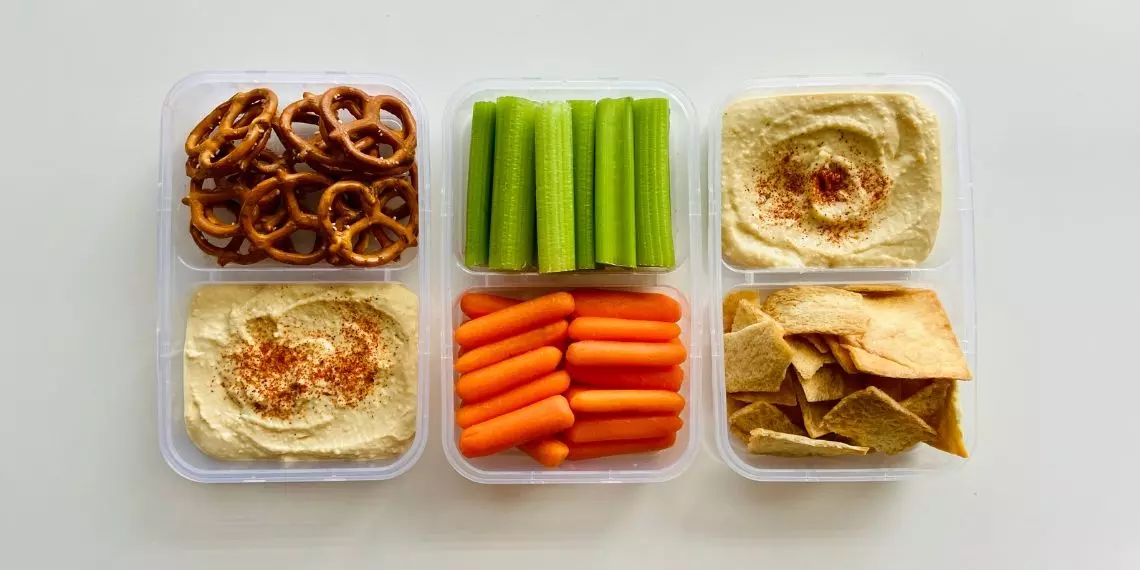
Planning ahead is one of the most effective ways to support healthy snacking habits. Setting aside time each week to wash and portion fruits and vegetables, or preparing grab-and-go snack bags in advance, makes it far easier for both parents and kids to choose nutritious options in the moment. Keeping healthy snacks visible and accessible at home, such as at eye level in the refrigerator or pantry, also encourages children to reach for them on their own. When nutritious options are the easiest choice available, they naturally become the default choice for kids as well.
Frequently Asked Questions
What are healthy snacks for kids after school?
Healthy after-school snacks include fresh fruit, vegetables with peanut/nut butter, yogurt, string cheese, nuts, hard-boiled eggs, and whole grain crackers with cheese. These options provide a balance of protein, healthy fats, and fiber to help refuel children after a busy school day.
How can I get my child to eat healthier snacks?
Involving children in choosing which fruits and vegetables they like best can make healthy eating feel less like a chore. Keeping nutritious options visible and easy to access at home, while limiting the availability of less nutritious choices, also encourages better snacking habits over time.
Are yogurt and string cheese healthy snack choices for kids?
Yogurt and string cheese can both be healthy choices, as they provide calcium and protein that support growth. Checking yogurt labels for added sugar content helps identify options that offer the most nutritional benefit without unnecessary sweeteners.
How many snacks should a child have per day?
Most children benefit from one to two planned snacks per day between meals, depending on age, activity level, and appetite. Spacing snacks appropriately between breakfast, lunch, and dinner helps maintain steady energy without interfering with appetite at mealtimes.
Why is snack planning important for busy families?
Planning snacks ahead of time helps ensure healthy options are available when children need them most, such as right after school. It also reduces the likelihood of reaching for less nutritious, convenience-based snacks in the moment due to time constraints or hunger.